EcoEchosFilm Art Festival
// Norway and Brazil
Linn Obrestad, Larissa Ye’padiho Duarte Tukano,
Hilde Iren Dølheim, Natália Tupi, Tom Hovinbøle, Narriman Kauane and Stine Gonsholt
EcoEchos is supported by Telemark Fylkeskommune.
In collaboration with: HI10, Scheen Teaterselskap, Katahirine Network (BR), Local Schools and educational Telemark
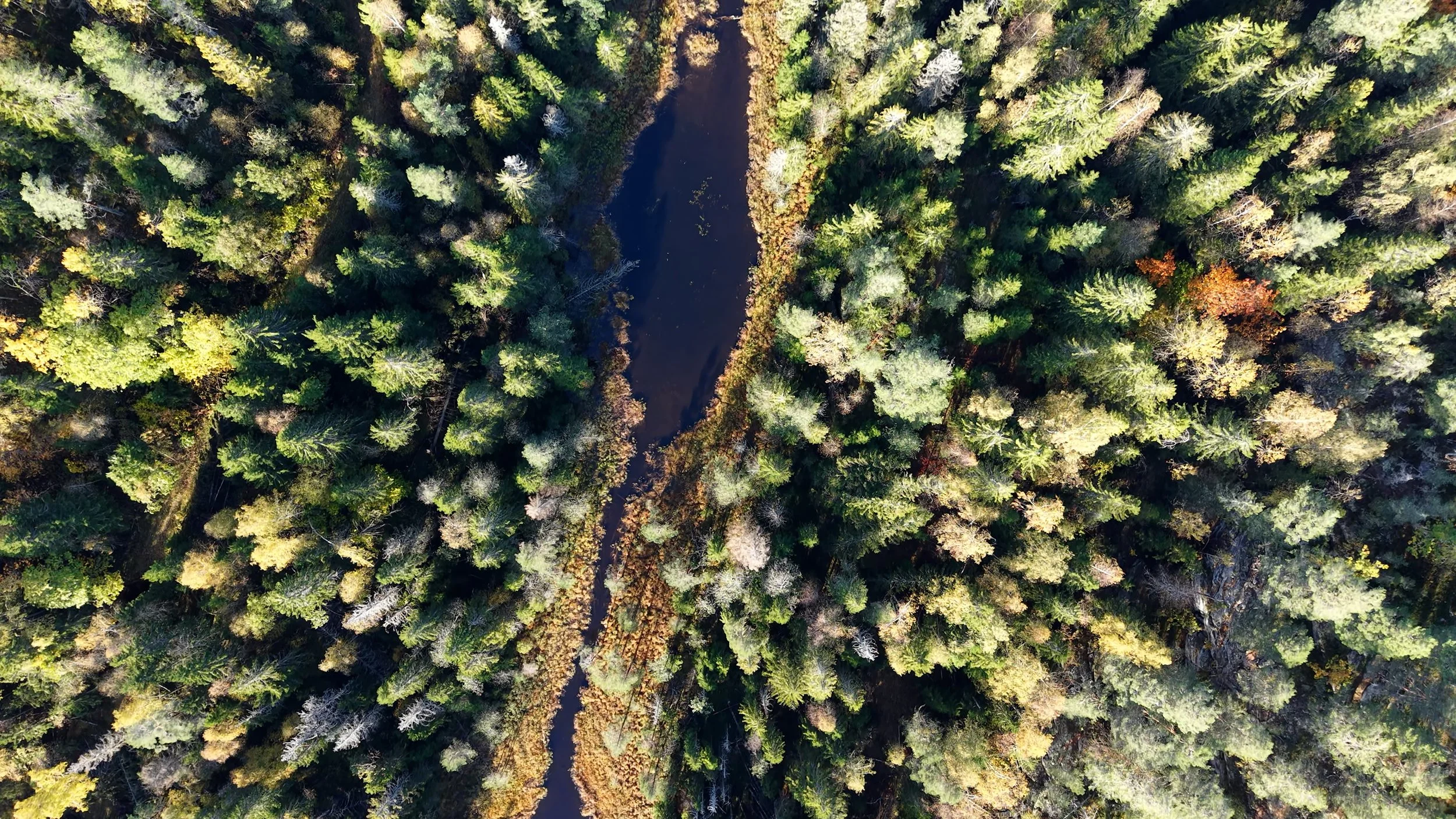
Photo: Linn Obredstad
EcoEchos is an artist-led film art festival anchored in the landscapes of Telemark and connected to Indigenous and ecological perspectives from Brazil. Through experimental film and moving-image practices, the festival explores how land, extraction, memory and resilience shape our shared futures.
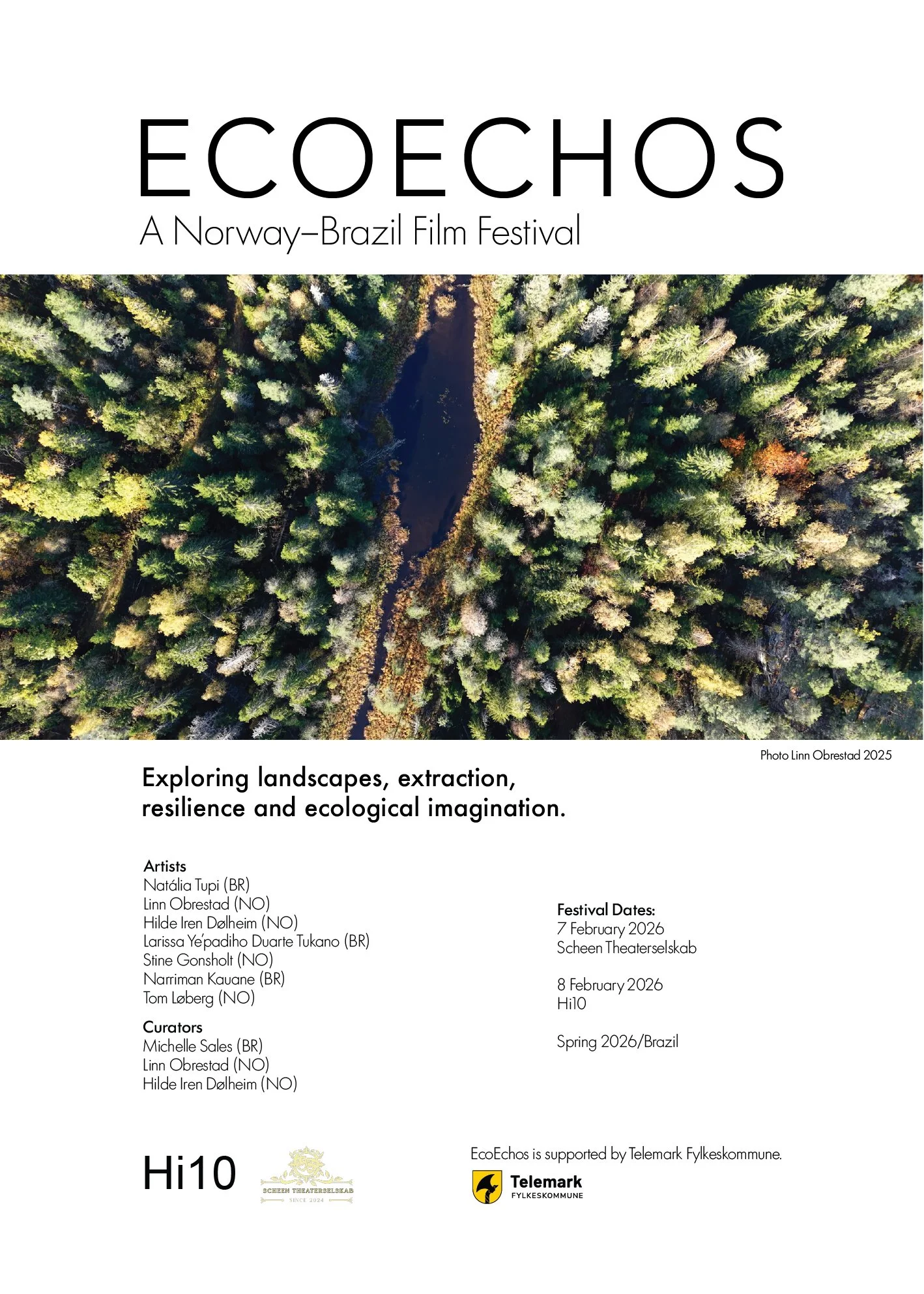
EcoEchos Film art Festival
EcoEchos is a new film art festival initiated by artists and filmmakers Linn Obrestad and Hilde Iren Dølheim in collaboration with Stine Gonsholt and Tom Løberg. The festival’s first edition takes place in Skien, Norway, 7–8 February 2026, with a parallel screening in Brazil later in the spring.
The festival begins in the landscapes and ecological questions surrounding Fensfeltet in Telemark, an area defined by forests, lakes and rare earth minerals, and currently shaped by debates on nature conservation, mineral extraction and future land use. Through long-term fieldwork in this region, the Norwegian artists have developed film works that explore how landscapes, extraction processes and environmental pressures affect both ecosystems and local communities.
EcoEchos extends these local perspectives into a wider conversation. A Brazilian programme curated by Michelle Sales brings together films by Indigenous women filmmakers working through the Katahirine Network, foregrounding land-based practices, cultural memory and ecological vulnerability in different parts of Brazil.
Together, the Norwegian and Brazilian works create a cross-cultural dialogue about resilience, land relations and ecological imagination.
Curator
Michelle Sales (BR), scholar, researcher and independent curator, working with postcolonial and decolonial film practices, Black and Indigenous cinemas and peripheral cinematic perspectives
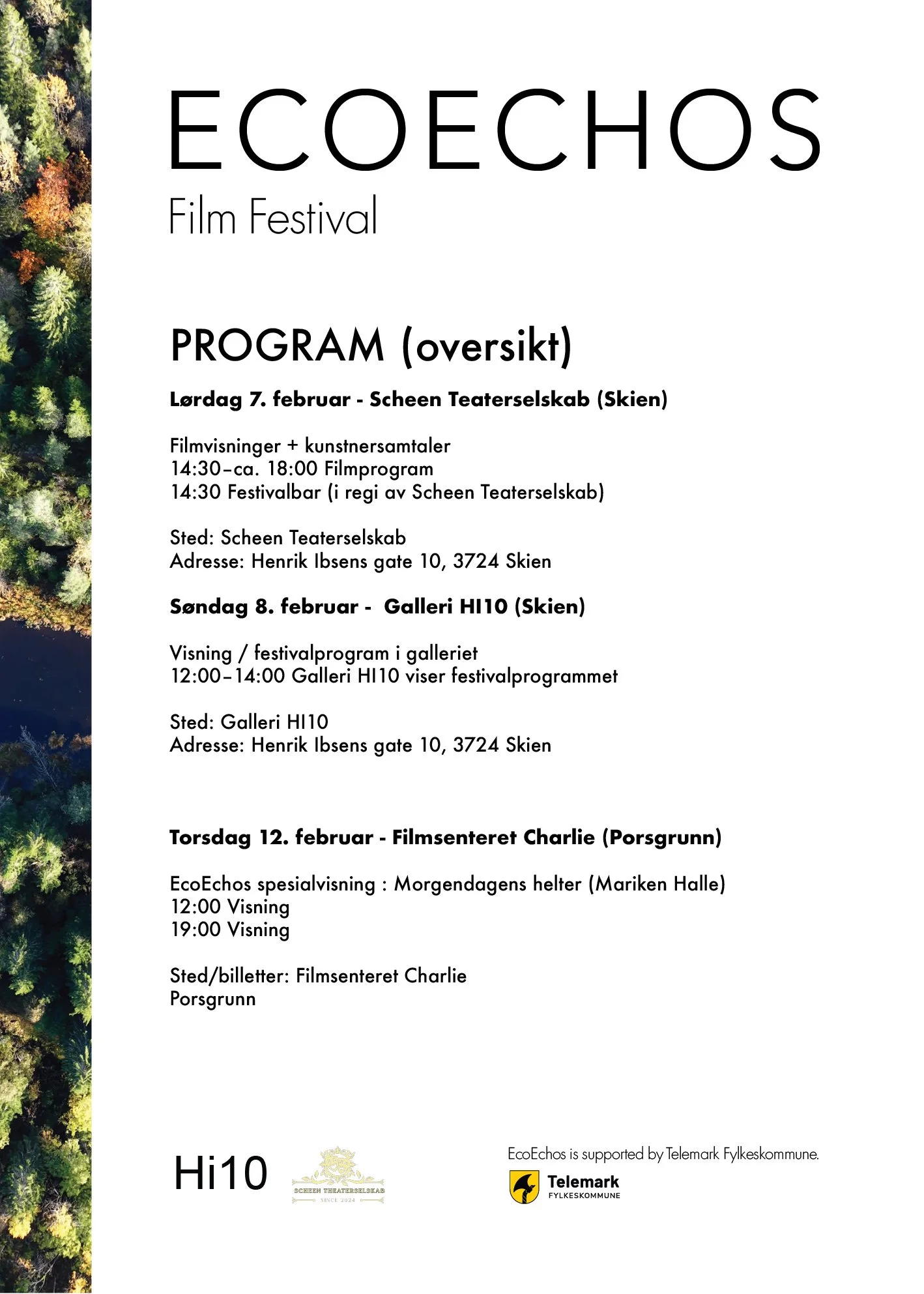
Wehsé darasé / Traditional Farm Work
Brazil| 2016 | 23 min | Portoguese | Experimental short
Director: Larissa Ye’padiho Duarte Tukano
Cinematography: João Arimar Noronha Lana, Alberto Jeremias Gonçalves Lana, Edvann Gregório, Maquirino, Adailton Videira Melgueiro & Larissa Ye’padiho Duarte
Editing: Larissa Ye’padiho Mota Duarte Tukano
Narrated in the first person, this sensitive and intimate film introduces the world of the Traditional Agricultural System in the Rio Negro region through the perspective of a young Tukano filmmaker. Reflecting on teachings passed down through generations, including from her great-aunt, who appears in the film, Larissa reveals the cultural knowledge embedded in traditional farming practices. The work invites the viewer to think about intergenerational relationships and the role of cinema in strengthening cultural memory and ancestral knowledge
Nhemongaraí: Yesterday, Today and Tomorrow
Brazil | 2024 | 15 min | Portoguese | Experimental short documentary
Director: Natália Tupi
This documentary offers an immersive experience of the annual Baptism of the Waters ceremony on 24 January in Tekoa Pyau, an Indigenous Guarani territory in São Paulo. Narrated by xondaro (warrior) Michael Tupã Popyguá, a young community leader, the film highlights how ritual, culture and ancestral knowledge are carried forward through generations.
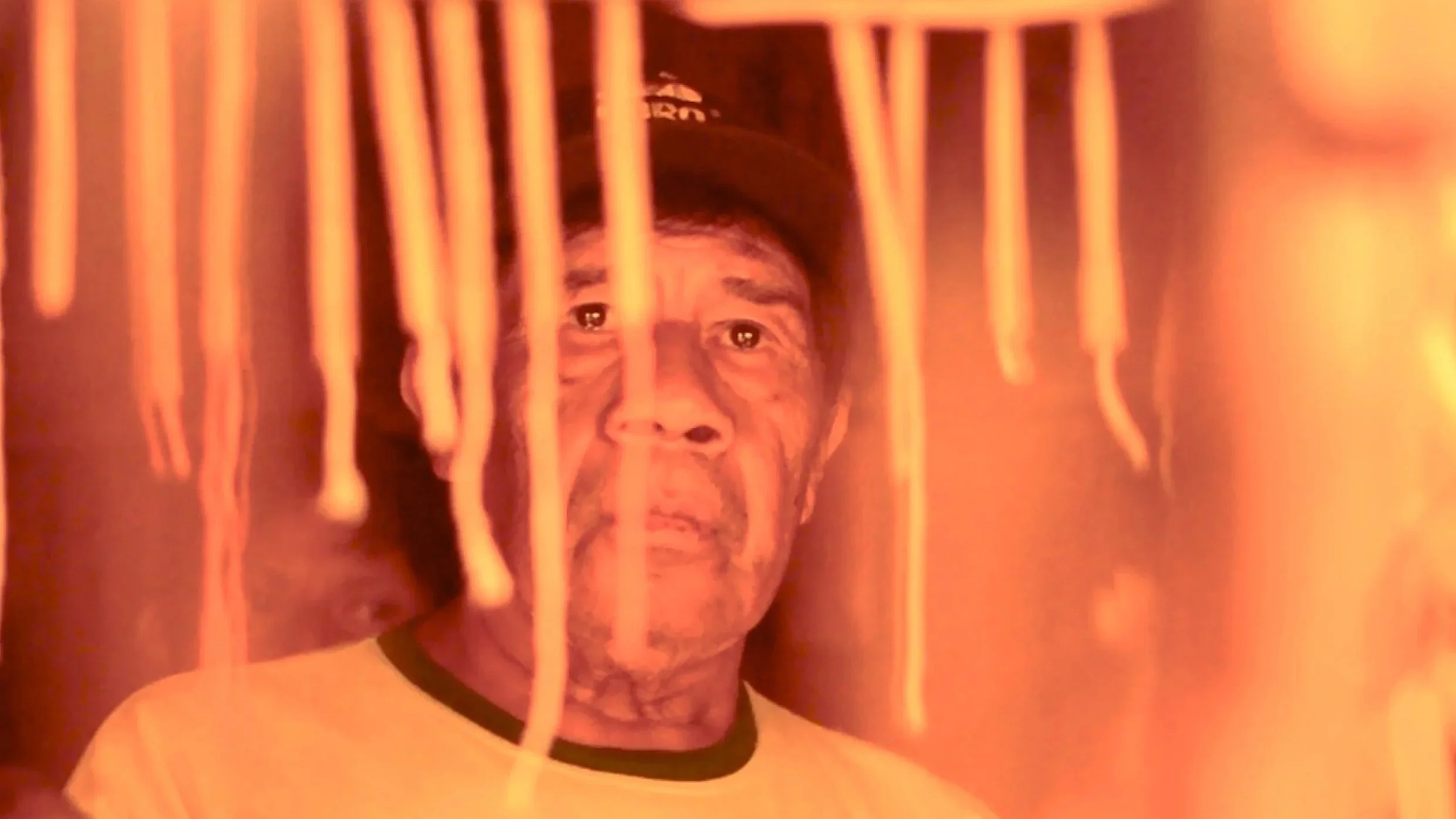
Touched
Norway | 2026 | 6 min | English | Experimental short
Directed and produced by Stine Gonsholt.
Touched is a film that insists on listening as a method. At a time when landscapes are often reduced to resource maps and economic calculations, the film opens a space for resonance – a language that is not visual, but auditory. Its point of departure is the Fen Complex in Telemark, an area with geological distinctiveness and global mineral interests, where nature’s stillness contrasts with the industry’s narratives of progress.
Through an abstract soundscape, Touched invites us to experience the landscape as more than terrain; as an archive of relations, rhythms, and frictions. Sound becomes a trace of a forgotten conversationbetween humans and nature, where global structures – economy, ecology, politics – weave into local identities and stories. The film challenges the viewer to listen, not just look, and to discover how attention can become a form of resistance. Instead of visible documentation, a poetic and critical space is created where sound functions as both a sensory and political gesture. Touched reminds us that landscapes do not merely absorb human activity, but also respond – in frequencies, in silence, in resonance.

Silva Incognita
Norway | 2025 | 25 min | English | Experimental short
Directed and produced by Linn Obrestad.
Silva Incognita begins in the landscapes around the Fen Complex in Telemark, where a proposed mining development reframes forest paths, wetlands, seasonal rhythms, and memory as a “world-class rare earth deposit” and strategic resource. Emerging from ongoing fieldwork, the film approaches this entangled situation through distinct segments.
Moving between close observation and distant systems, the film holds Fensfeltet in relation to a wider geography of extraction. Industry language returns as a refrain, while satellite views and data-centre interiors trace the infrastructures that depend on turning land into resource. Against these scales, a child’s small gestures, collecting, drawing, returning, propose a different kind of mapping, grounded, specific, and attentive.
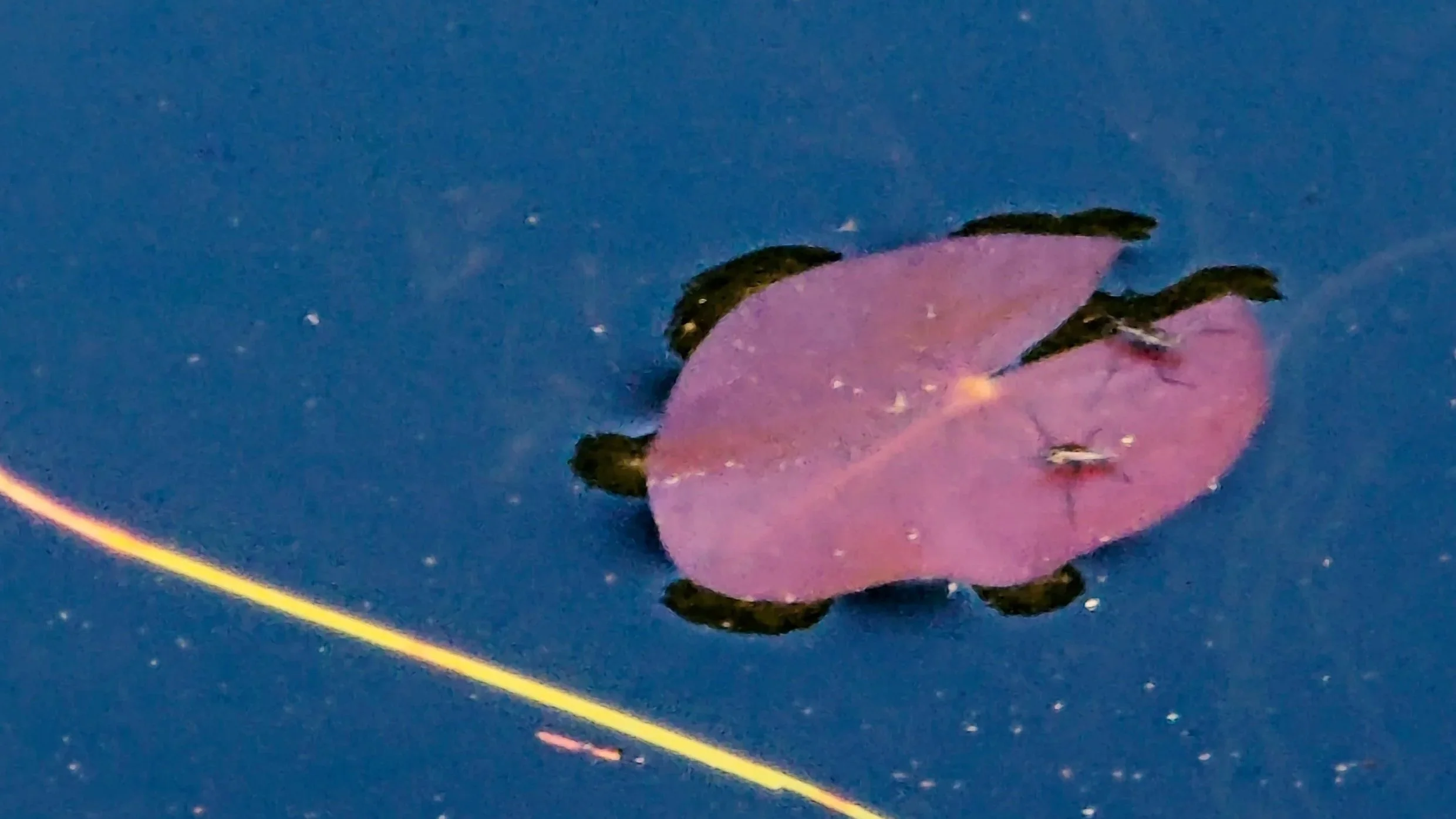
The work is shaped by “complexity-sensitive artivism,” developed by Linn Obrestad and Hilde Iren Dølheim, a quiet, durational practice of fieldwork, care, and collaboration that resists simplified narratives.
Teeters on the Edge
Norway | 2025 | 5 min | English | Experimental short
Directed and produced by Hilde Iren Dølheim
Teeters on the Edge is a video work that starts from instability, in an interval where balance is fragile and the outcome remains unresolved. The title refers to a double condition, there is something literally at risk of tipping, and a situation close to collapse or irreversible change. Instead of treating nature as a stable backdrop or a romanticized ideal, the work meets landscape as an active counterpart, moving, resisting, vulnerable. In this shifting terrain, the video investigates what it means to orient ourselves as participants in ecological systems we depend on yet often feel estranged from.
The work is guided by the belief that images can hold what language cannot. Layered relations, contradiction, and affect. Teeters on the Edge stages a visual inquiry where meaning stays open. Vulnerability is approached not as weakness to be corrected, but as a condition that reveals interdependence and change. Structured without a linear narrative, the video invites a slow encounter in which perception can wander, hesitate, and return. It holds the viewer in a moment of suspension, where balance is not yet lost, but never guaranteed. To stand on the edge implies risk, but also the possibility of new insight, and Teeters on the Edge invites the viewer to actively participate in the production of meaning.
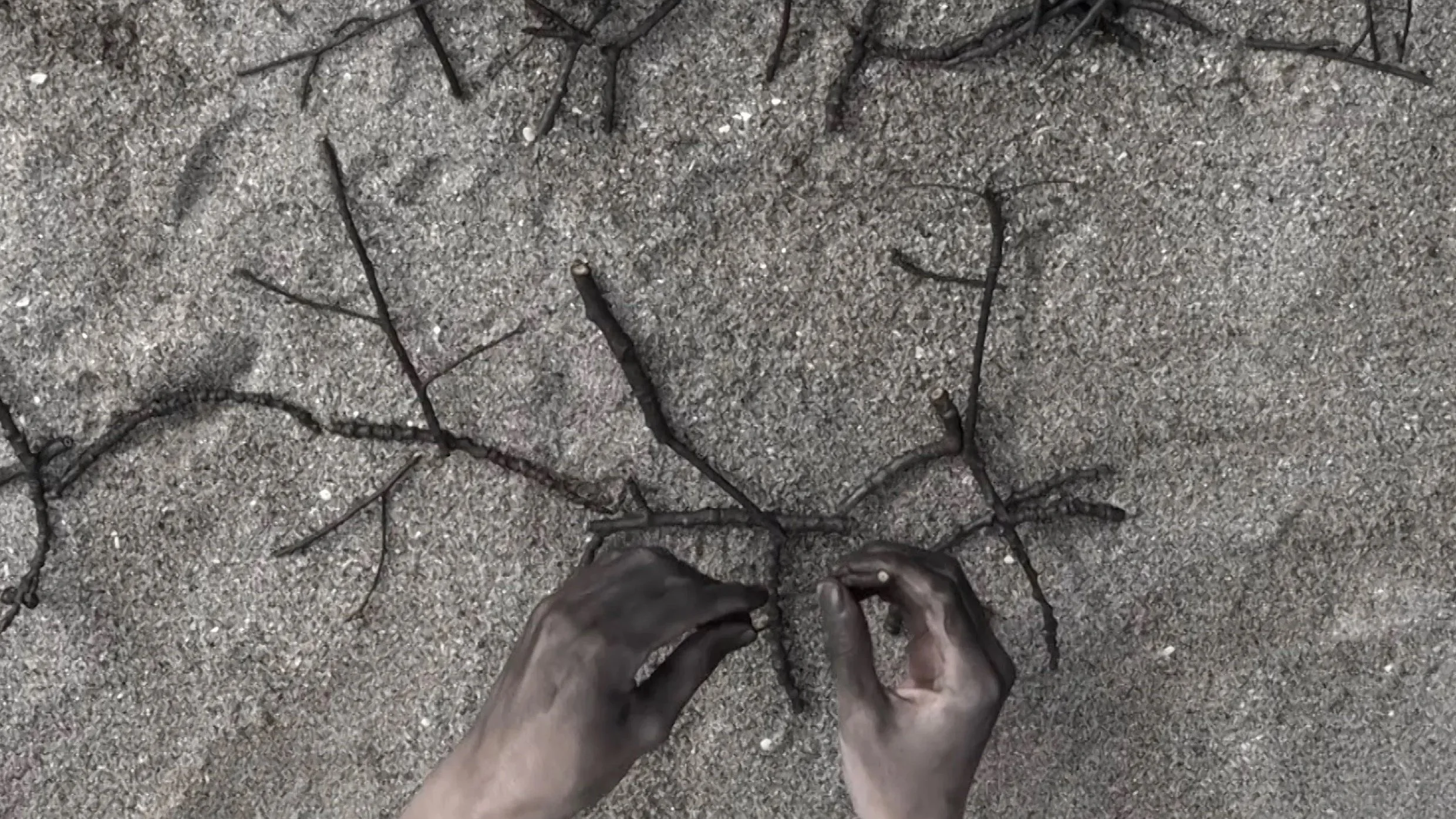
The video work is shaped by “complexity-sensitive artivism”, developed by Hilde Iren Dølheim and Linn Obrestad, emphasising durational fieldwork, care, and collaboration over simplified narratives.
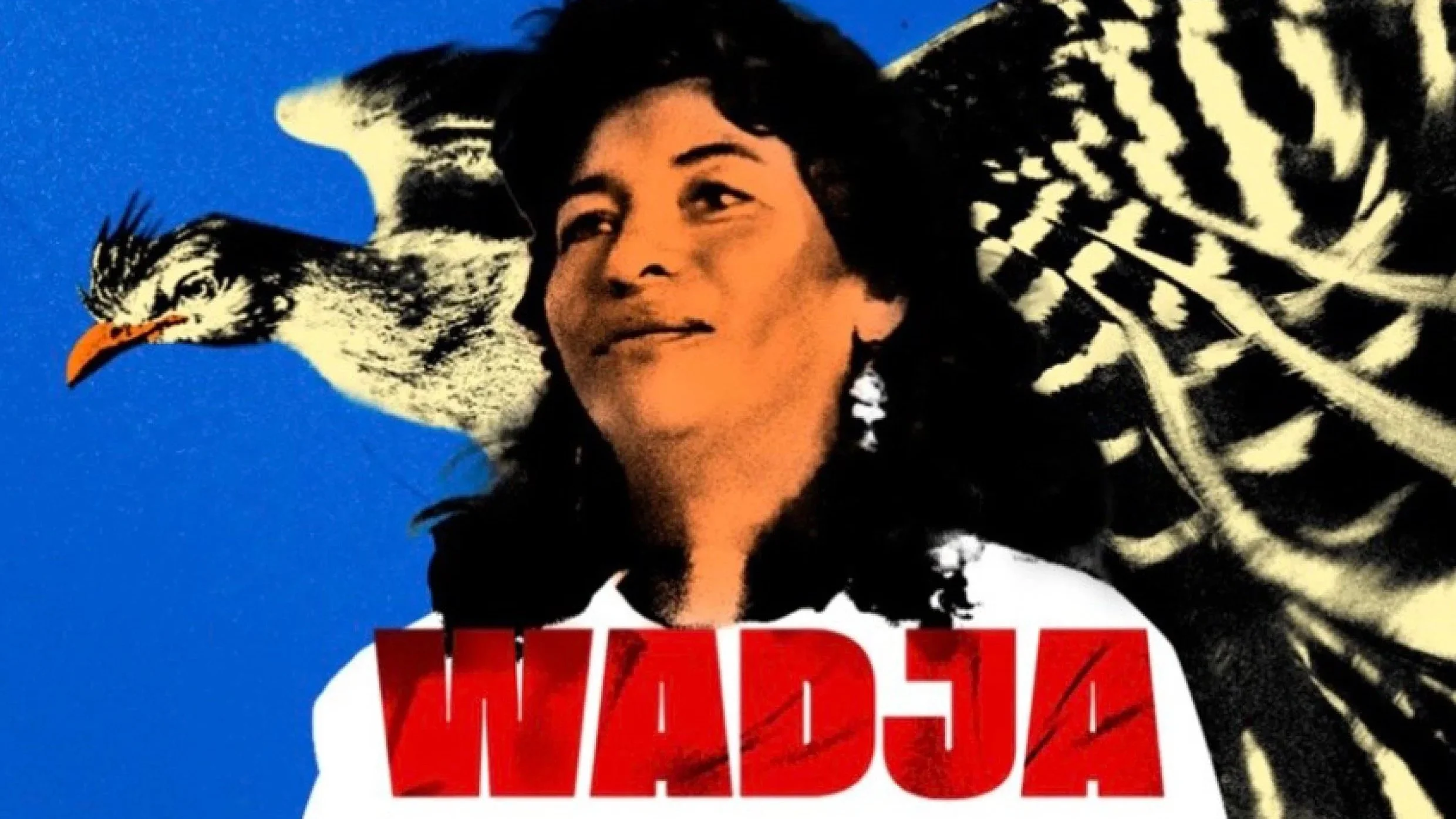
Wadja
Brazil | 2024 | 29 min | Portoguese | Experimental short documentary
Director: Narriman Kauane
A biographical portrait of Marilene Araújo, known as Wadja, an Indigenous woman, educator, cultural guardian, and founder of the bilingual school Antônio José Moreira. The film honours her pioneering work in Indigenous education and her dedication to teaching the Fulni-ô language, yaathe, while highlighting her lifelong efforts to protect and strengthen cultural identity.
The Butterflies of Bærevann
Norway | 2026 | 7 min | English | Experimental short
Film and source material: Tom Løberg
“When the secluded valley of Bærevann was chosen as the dumping site for the tailings from the rare earth metals mine at Fen, no one could have known the implications on the local wildlife. The small valley was known to but a few but to those that knew it was a rich and diverse natural haven. This was all to change with the advent of the mining activity. The chemicals and toxins used in the process of extracting the rare earth elements are carried from the heaps of tailings with the water in the many creeks and streams and pollute the landscape in the area below the dumping site, causing alterations to the local fauna and wildlife it comes in contact with. Sometimes unnoticeable, at other times the changes are fundamental and have led to plants and animals having to be classified as new species ... In no other species are the alterations more prevalent than in the butterflies of the area.”